
KEY HIGHLIGHTS
- High-speed rail projects progressing across India.
- Improved connectivity between major economic centers.
- Reduced travel time expected for passengers.
- Infrastructure investments support economic growth.
- Rail modernization remains a national priority.
India Strengthens Transportation Network Through High-Speed Rail Expansion
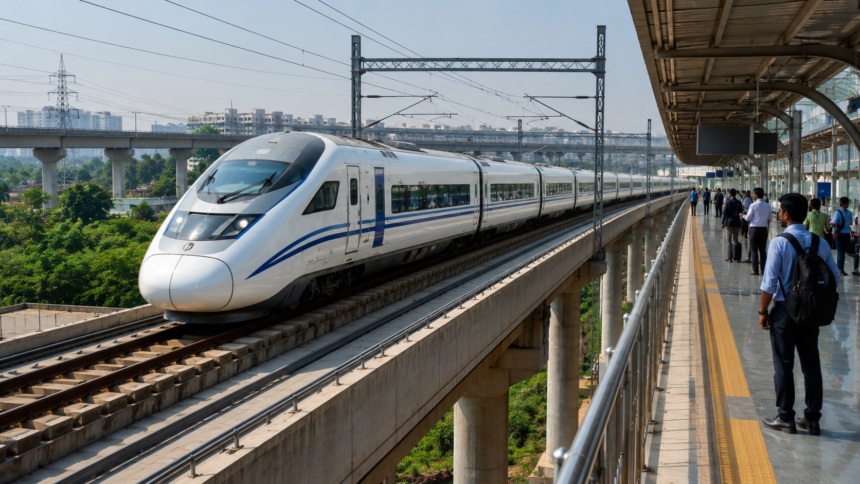
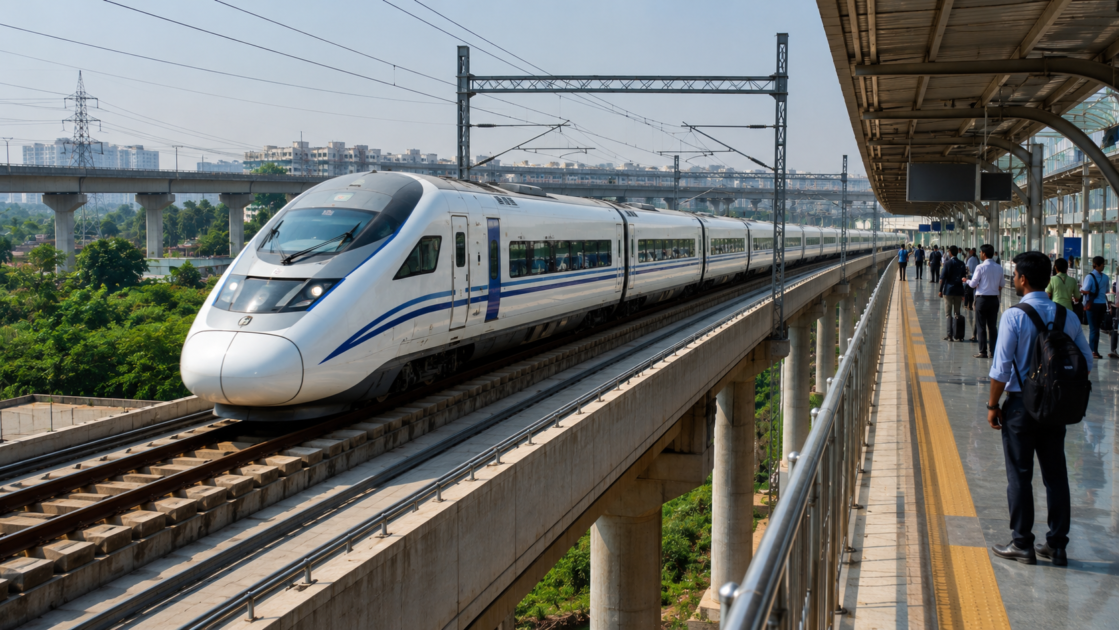
New Delhi: India continues to expand its transportation infrastructure with a strong focus on high-speed and semi-high-speed rail projects aimed at improving connectivity between major cities and economic regions.
The country’s railway modernization efforts are among the largest infrastructure initiatives currently underway. Policymakers view transportation development as a key driver of economic growth, regional integration, and improved mobility for millions of citizens.
As urban populations continue to grow and intercity travel demand increases, authorities are investing in faster, safer, and more efficient rail systems designed to reduce travel times while supporting long-term economic development.
Improving National Connectivity
India’s expanding railway network remains one of the most important components of the nation’s transportation system. High-speed rail corridors are expected to strengthen links between major metropolitan areas while improving access to emerging economic hubs.
Transportation experts note that better connectivity often contributes to increased business activity, tourism growth, and employment opportunities. Reduced travel times can help improve productivity while making regional markets more accessible.
Several projects currently under development are expected to transform passenger mobility across important economic corridors.
Economic Benefits of Rail Infrastructure
Large-scale transportation investments often generate benefits that extend beyond mobility improvements.
Construction activities create employment opportunities, while completed infrastructure can stimulate investment, real estate development, logistics efficiency, and business expansion.
Industry analysts believe improved transportation networks help reduce costs associated with travel and freight movement, contributing to greater economic competitiveness.
The railway sector also plays a critical role in supporting manufacturing, trade, tourism, and urban development.
Technology and Modernization
India’s rail modernization strategy includes advanced signaling systems, upgraded stations, enhanced safety mechanisms, and improved passenger amenities.
Modern railway infrastructure increasingly incorporates digital technologies designed to improve operational efficiency and passenger experience.
Authorities are also focusing on sustainability measures aimed at reducing environmental impact while supporting long-term transportation needs.
Impact on Passengers
For travelers, faster rail services offer a practical alternative to road and air transport on many routes.
Benefits may include:
- Reduced travel times.
- Greater comfort.
- Improved reliability.
- Better connectivity between cities.
- Enhanced passenger facilities.
Experts suggest that high-speed rail can help meet rising transportation demand while easing pressure on existing infrastructure networks.
Future Outlook
Transportation infrastructure is expected to remain a major focus area as India pursues long-term economic and development goals.
High-speed rail projects represent an important part of broader efforts to improve mobility, strengthen regional connectivity, and support sustainable growth.
As additional projects move forward, India is expected to continue investing in modern transportation systems capable of meeting future demand while enhancing the country’s infrastructure capabilities.
FAQ SECTION
Why is India investing in high-speed rail?
To improve connectivity, reduce travel times, and support economic development.
How do high-speed rail projects benefit the economy?
They improve mobility, create jobs, and encourage investment and business growth.
What advantages do passengers receive?
Faster travel, improved comfort, and enhanced reliability.
Are these projects part of broader infrastructure development?
Yes, they are part of India’s long-term transportation modernization strategy.
How can improved connectivity help cities?
Better connectivity supports trade, tourism, investment, and employment opportunities.