
KEY HIGHLIGHTS
- Regional tensions continue to rise.
- Security concerns affect multiple countries.
- Global energy markets remain sensitive.
- International leaders call for restraint.
- Trade routes remain under close monitoring.
International attention remains focused on the Middle East as renewed tensions continue to influence regional security calculations and global economic forecasts.
Recent developments have prompted governments, international organizations, and market analysts to closely monitor the situation due to its potential impact on energy supplies, international trade, and geopolitical stability.
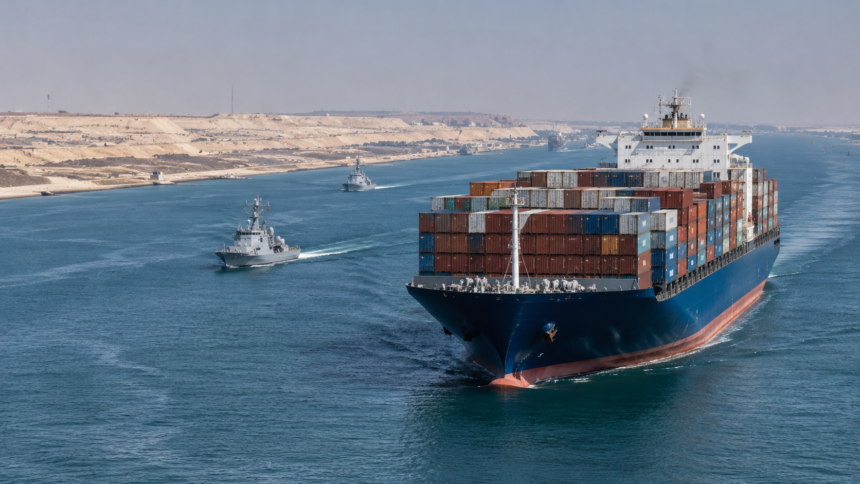
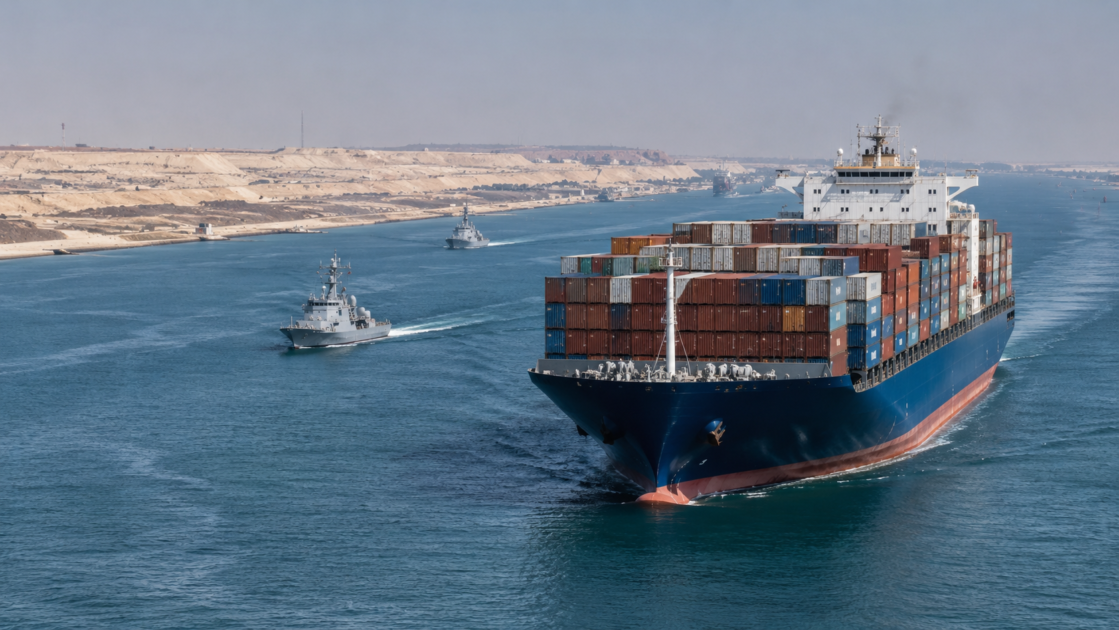
The region remains strategically important because of its role in global energy production and maritime transportation. Several key shipping routes pass through Middle Eastern waters, making stability in the area critical for international commerce.
Analysts note that uncertainty surrounding regional security often affects global financial markets, energy prices, and investor confidence. Energy-importing nations are particularly sensitive to developments that could influence supply chains or transportation routes.
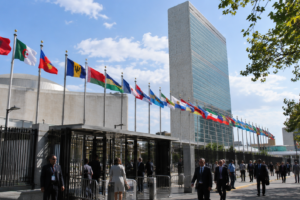
International leaders have repeatedly called for diplomatic engagement and restraint to prevent further escalation. Many governments continue to support dialogue-based approaches aimed at reducing tensions and promoting regional stability.
Economic experts warn that prolonged uncertainty can affect inflation, transportation costs, and business planning across multiple sectors. Shipping companies and logistics operators are also monitoring developments closely.
The situation has reinforced discussions about energy security and supply diversification among major economies. Governments continue to evaluate contingency measures to reduce potential disruptions to trade and energy markets.
Security experts emphasize that diplomatic efforts remain essential to maintaining regional stability and minimizing risks to global economic activity.
As developments continue, international organizations and policymakers are expected to remain actively engaged in efforts to encourage peaceful resolutions and prevent broader instability.
FAQ SECTION
Why is the Middle East strategically important?
The region plays a major role in global energy production and international shipping routes.
How can regional tensions affect the global economy?
They can influence energy prices, trade costs, and investor confidence.
Why are shipping routes important?
Many international trade routes pass through the region, making stability essential for global commerce.
What are governments doing in response?
Many countries are promoting diplomatic engagement and monitoring developments closely.
Could energy markets be affected?
Energy markets often react to geopolitical uncertainty and supply concerns.