
KEY HIGHLIGHTS
- Skill-based learning gaining importance.
- Employers increasingly value practical competencies.
- Educational institutions expanding training programs.
- Focus on employability and workforce readiness.
- Technology skills remain in high demand.
Skill Development Becomes a Growing Priority in Education
New Delhi: Educational institutions across India are increasingly focusing on skill development as part of broader efforts to prepare students for changing workforce requirements.
Employers today often seek candidates who possess not only academic qualifications but also practical skills, problem-solving abilities, communication capabilities, and technological competence.
As a result, schools, colleges, and training institutions are expanding programs designed to improve employability and career readiness.
Changing Employment Landscape
Rapid technological advancement and evolving industry requirements have transformed the nature of work across many sectors.
Professionals entering the workforce are expected to adapt to changing technologies, collaborate effectively, and continuously develop new skills.
Education experts believe institutions must evolve to meet these expectations.
Importance of Practical Learning
Practical learning experiences are becoming increasingly important in modern education.
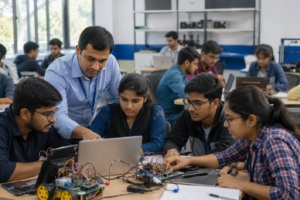
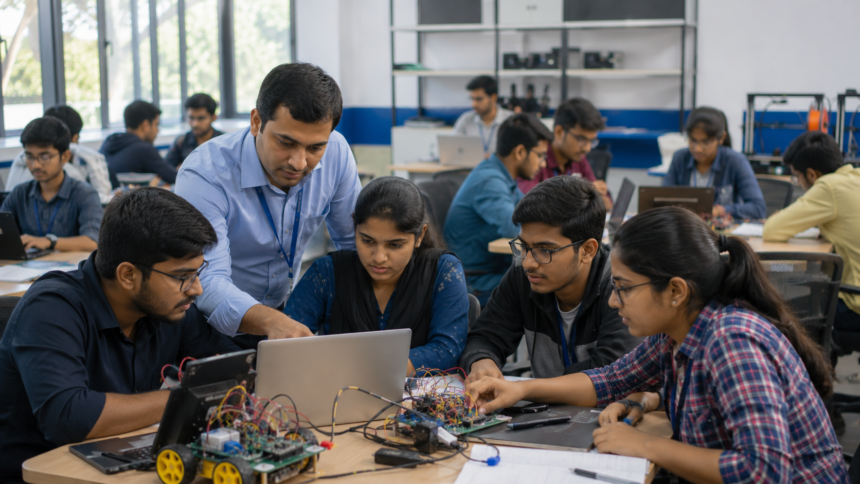
Project-based learning, internships, workshops, industry collaborations, and hands-on training programs help students gain real-world experience while applying classroom knowledge.
Many institutions are integrating such approaches into academic programs.
Technology and Digital Skills
Technology-related skills remain among the most sought-after competencies in today’s job market.
Students are increasingly encouraged to develop proficiency in digital tools, data literacy, communication technologies, and problem-solving methodologies.
Experts believe digital competency will continue to play a critical role across industries.
Industry-Academia Collaboration
Collaboration between educational institutions and industries has become an important strategy for improving workforce readiness.
Industry partnerships can help align curricula with real-world requirements while providing students with exposure to professional environments.
Such initiatives are expected to become increasingly common in the future.
Benefits for Students
Skill-based education can provide several benefits:
- Improved employability.
- Better workplace readiness.
- Stronger problem-solving capabilities.
- Enhanced adaptability.
- Increased career opportunities.
Education specialists emphasize that skill development should complement rather than replace academic learning.
Looking Ahead
As workforce demands continue to evolve, skill-based education is expected to become an increasingly important component of educational systems.
Institutions are likely to continue expanding initiatives aimed at helping students develop the knowledge, skills, and competencies needed for future careers.
FAQ SECTION
What is skill-based education?
It focuses on developing practical competencies alongside academic learning.
Why is skill development important?
It helps students become more employable and workplace-ready.
Which skills are most in demand?
Technology, communication, problem-solving, and digital literacy skills are highly valued.
How do students benefit?
They gain practical experience and improve career readiness.
Will academic learning still matter?
Yes. Skill development is intended to complement academic education.